

Why Blooms Belong in Your Independence Day Celebration
The Fourth of July arrives with an unmistakable presence every year. There are flags on porches, burgers on the grill, fireworks in the sky, and families gathered around picnic tables long after sunset. It's festive, nostalgic, and full of color, making flowers a natural fit for the occasion. Patriotic blooms bring beauty to everything from backyard barbecues to elegant dinners on the patio, adding that celebratory spirit we love.
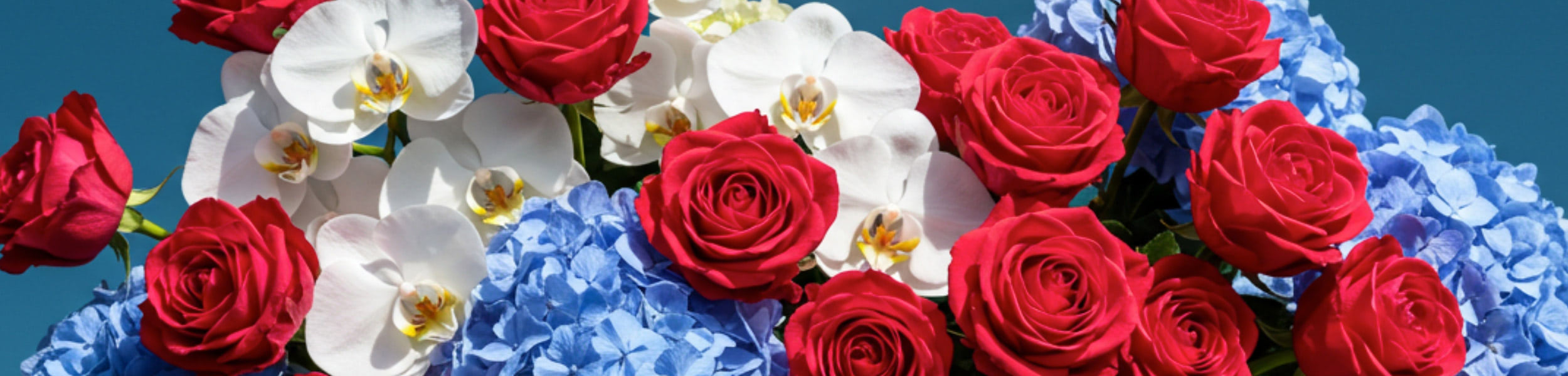
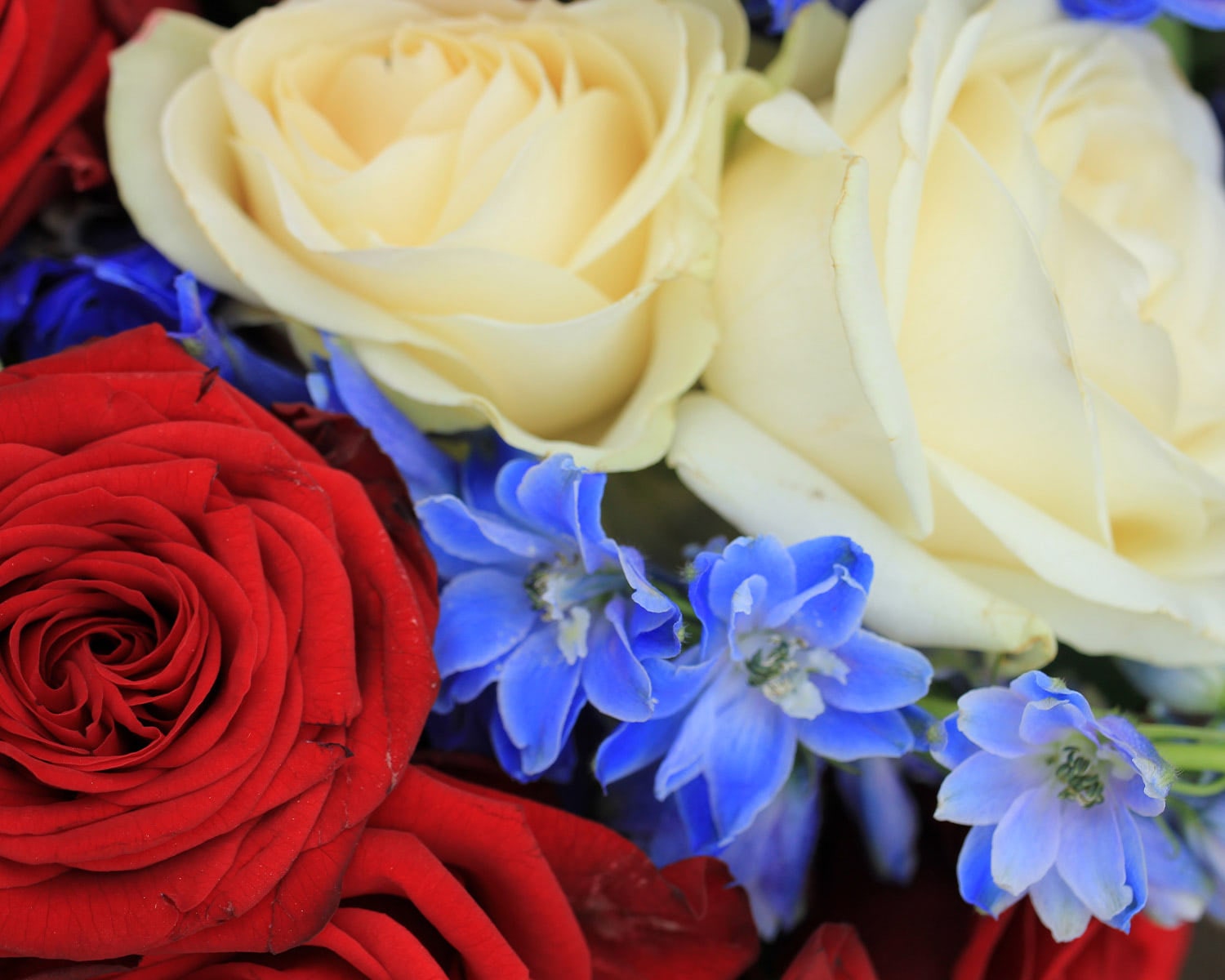
This holiday is a wonderful chance to style your home, surprise guests, and create memorable moments with blossoms in red, white, and blue. Floral arrangements dress up dining tables, brighten entryways, and add elegance and sophistication to Independence Day decorations. We love how fresh flowers soften bold patriotic details, especially when paired with lanterns, ribbons, woven baskets, crisp linens, and classic porch dé cor. Even a simple vase of white hydrangeas, red roses, or blue delphinium can make outdoor Fourth of July parties polished and inviting.
In this occasion guide, we're exploring the meaning behind the holiday, its history, the ways people celebrate today, and why patriotic flowers make the Fourth of July more festive, memorable, and poignant. For hosting a relaxed cookout or setting a more refined summer table, flowers make the day beautifully intentional.
What is the Fourth of July?
The Fourth of July, also called Independence Day, is the national holiday that celebrates the adoption of the Declaration of Independence on July 4, 1776. On that date, the Continental Congress formally adopted the document announcing that the 13 American colonies regarded themselves as independent states, no longer under British rule. The holiday has been recognized as a federal holiday since 1941, though Americans had been celebrating it long before then.
At its heart, the Fourth of July is about freedom, self-government, and the birth of the United States. It's patriotic, of course, but it's also deeply personal. For many families, the day is tied to tradition, which may mean returning to the same lake house every summer, laying out the same star-spangled tablecloth, or serving the same favorite meals year after year. The meaning of the holiday lives in both the national story and the family rituals built around it.
That's part of what makes the Fourth of July such a natural fit for floral design. Flowers help people mark important occasions, and Independence Day is certainly one of them. A vase of red, white, and blue flowers sets the tone for gatherings, conjuring celebration, hospitality, and pride.
The Fourth of July also arrives at a perfect point in the season. Summer gardens are lively, porches are in full use, and people are eager to entertain outdoors. Patriotic flowers can be styled for entry tables, patios, picnic buffets, front steps, and even poolside seating areas. They can be formal or casual, classic or playful, depending on the customer's style.
What is the History of the Fourth of July?
The history of the Fourth of July begins during the American Revolution. In June 1776, the colonies were moving toward independence, and a committee that included Thomas Jefferson, John Adams, Benjamin Franklin, Roger Sherman, and Robert R. Livingston was appointed to draft a declaration. The Continental Congress officially adopted the Declaration of Independence on July 4, 1776, and the text was printed and circulated soon after. Historians note that although July 4 marks adoption, many delegates signed the engrossed parchment later, with signatures beginning on August 2, 1776.
Celebrations began early. In a letter to Abigail Adams dated July 3, 1776, John Adams predicted that the occasion would be commemorated with pomp, shows, games, bonfires, and illuminations. He was off by two days about the date Americans would ultimately land on, but he was absolutely right about the mood. Fireworks, public gatherings, music, and symbolic displays became part of the holiday's identity very quickly.
Over the years, the Fourth evolved from revolutionary observance into a beloved national tradition. Towns hold parades. Churches ring bells. Communities organize speeches, meals, and public readings of the Declaration. Today, the National Archives still hosts annual July 4 programming, including a dramatic reading of the Declaration of Independence, a reminder that the holiday is rooted in the nation's founding ideals.
The holiday also honors courage, sacrifice, and the ongoing project of American democracy. For some, it's a lively summer celebration. For others, it is a reflective day that brings history closer to the present. That emotional range is one reason floral design works so beautifully here. Flowers can be bright and joyful, but they can also be respectful and meaningful.
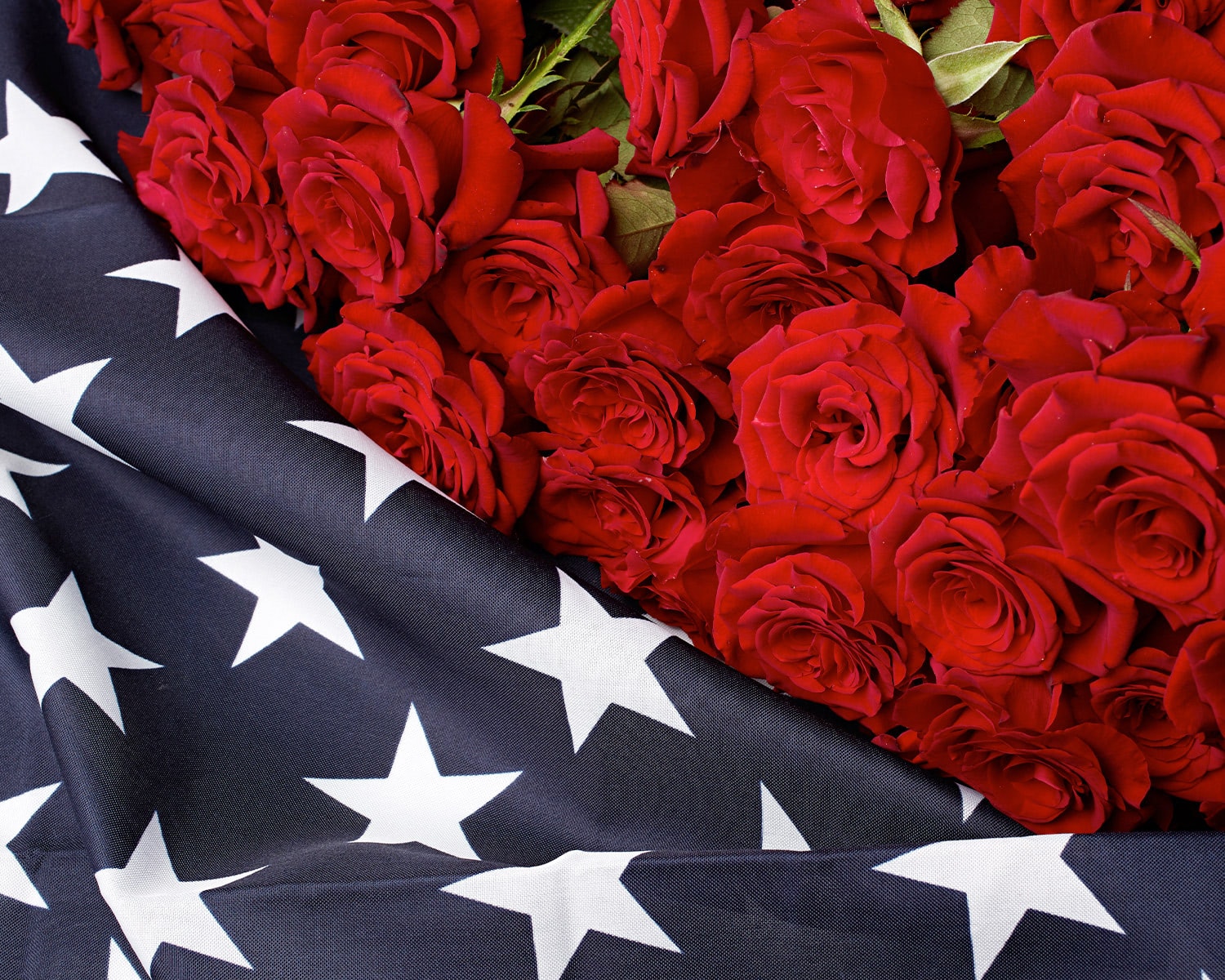
A patriotic arrangement, for example, can do more than match the color palette of the holiday. It can acknowledge military service, family history, or a sense of gratitude for the freedoms people hold dear. A centerpiece at a reunion, a bouquet on a memorial table, or porch decor at the front door all have a specific spirit.
How is the Fourth of July Celebrated?
The modern Fourth of July occasion is a wonderful mix of tradition and fun. People celebrate with parades, fireworks, concerts, neighborhood gatherings, community festivals, and family cookouts. Some head to the beach or the lake. Others stay home and host backyard parties with string lights, lawn games, and plenty of red, white, and blue. Fireworks remain one of the most recognizable traditions, a link to the holiday's earliest celebrations.
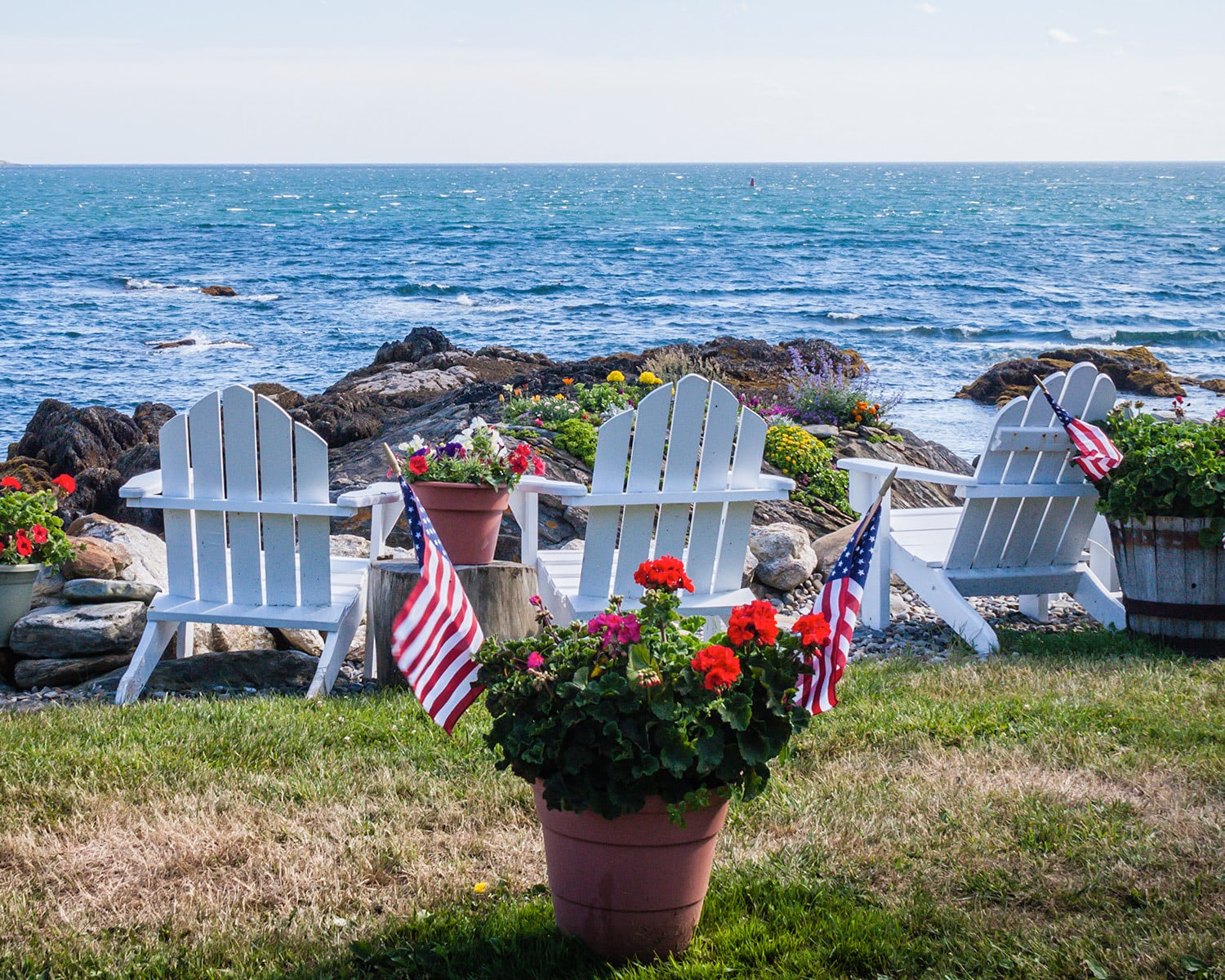
At home, the day often starts with decorating. People look for Independence Day decor that's festive yet tasteful, and this is where flowers give so much inspiration. A front porch might feature potted plants with flag ribbons, baskets of white blooms, or patriotic flowers arranged beside lanterns and rocking chairs. Porch decor matters on a holiday like this because it sets the tone before guests walk inside.
Indoors, flowers anchor the celebration from room to room. A low centerpiece for the dining table establishes the mood. A smaller arrangement near the drinks station makes the gathering more colorful. Vases of blooms tucked into a powder room or breakfast nook extend the theme in a subtle, elegant way.
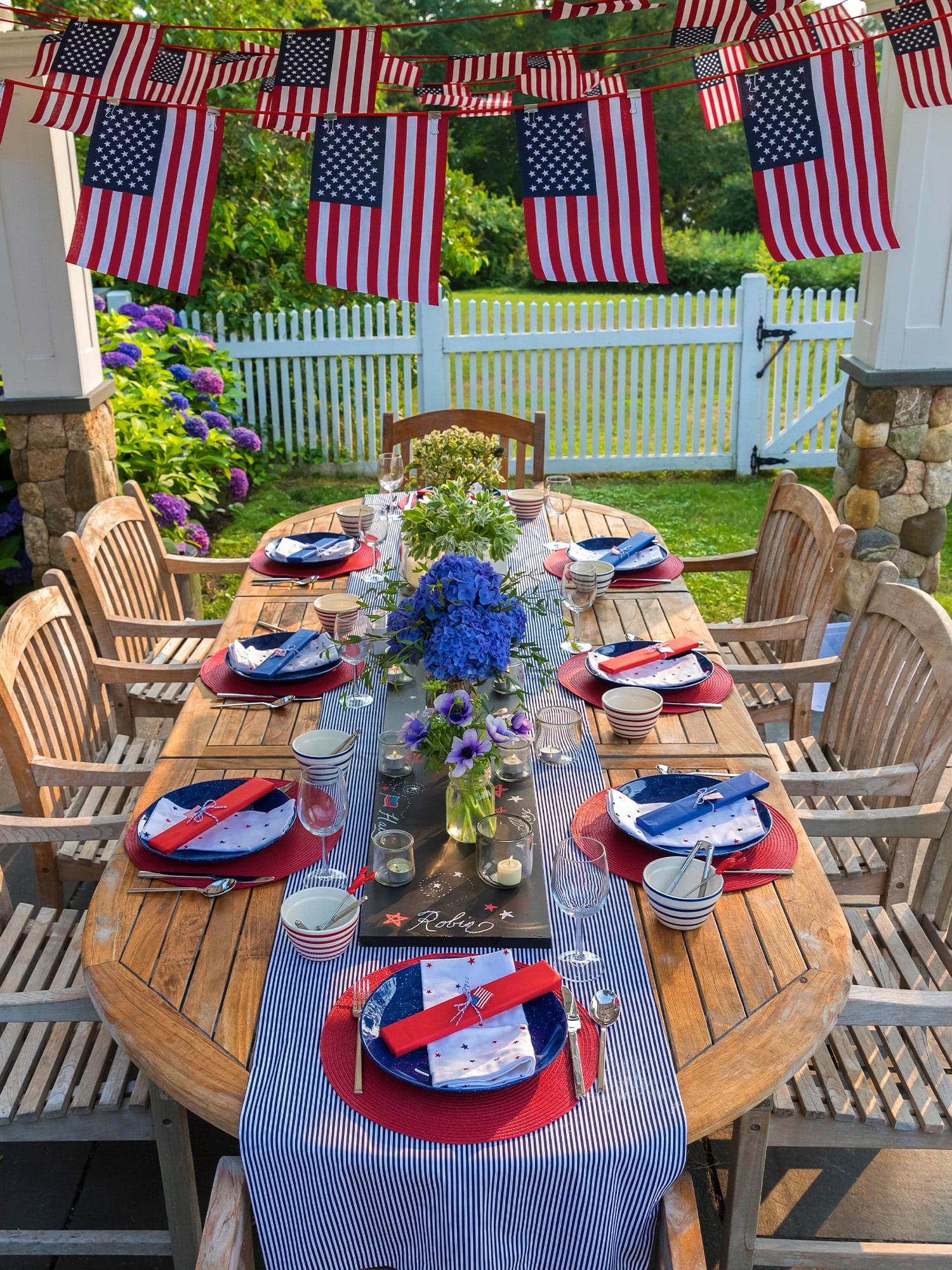
Outdoor entertaining is especially big for this holiday, which makes outdoor Fourth of July party decorations a key part of the conversation. Flowers soften picnic tables, dress up buffet spreads, and add beauty to patio seating areas. Vases filled with red carnations, white daisies, and blue delphinium look cheerful and attractive. Roses, hydrangeas, lisianthus, and thistle create a refined patriotic palette.
This is also the season when people want practical inspiration. Recipe ideas, meal ideas, snack ideas, and grilling ideas all come into play. Blooms complement these elements with floral centerpieces for burger bars, fruit trays, seafood boils, grilled corn spreads, and berry desserts. A lush arrangement beside a charcuterie board or summer salad adds sophistication. Even simple snack ideas such as popcorn mixes, berry skewers, or red-white-and-blue cookies look more inviting next to fresh blooms.
And yes, outfit ideas can fit into the celebration, too. Many people enjoy leaning into the color theme with crisp whites, denim, stripes, gingham, or breezy red accents. Flowers can echo that same style story. A casual porch arrangement skews rustic and relaxed, while a dinner party centerpiece may call for a cleaner, more tailored design.
The beauty of the Fourth of July is that it welcomes many styles of celebration. Some people want a big party. Others want a quiet evening with family and a few sparklers in the yard. Patriotic flowers work in every version. They can be playful, polished, traditional, or modern. They can dress up a party or add meaning to a peaceful moment.
How Do Patriotic Flowers Make the Fourth of July More Festive, Memorable, and Poignant?
Flowers do something that other decorations simply can't. They bring life to a space, adding movement, fragrance, and texture. They make people feel welcomed. On a holiday like the Fourth of July, that matters.
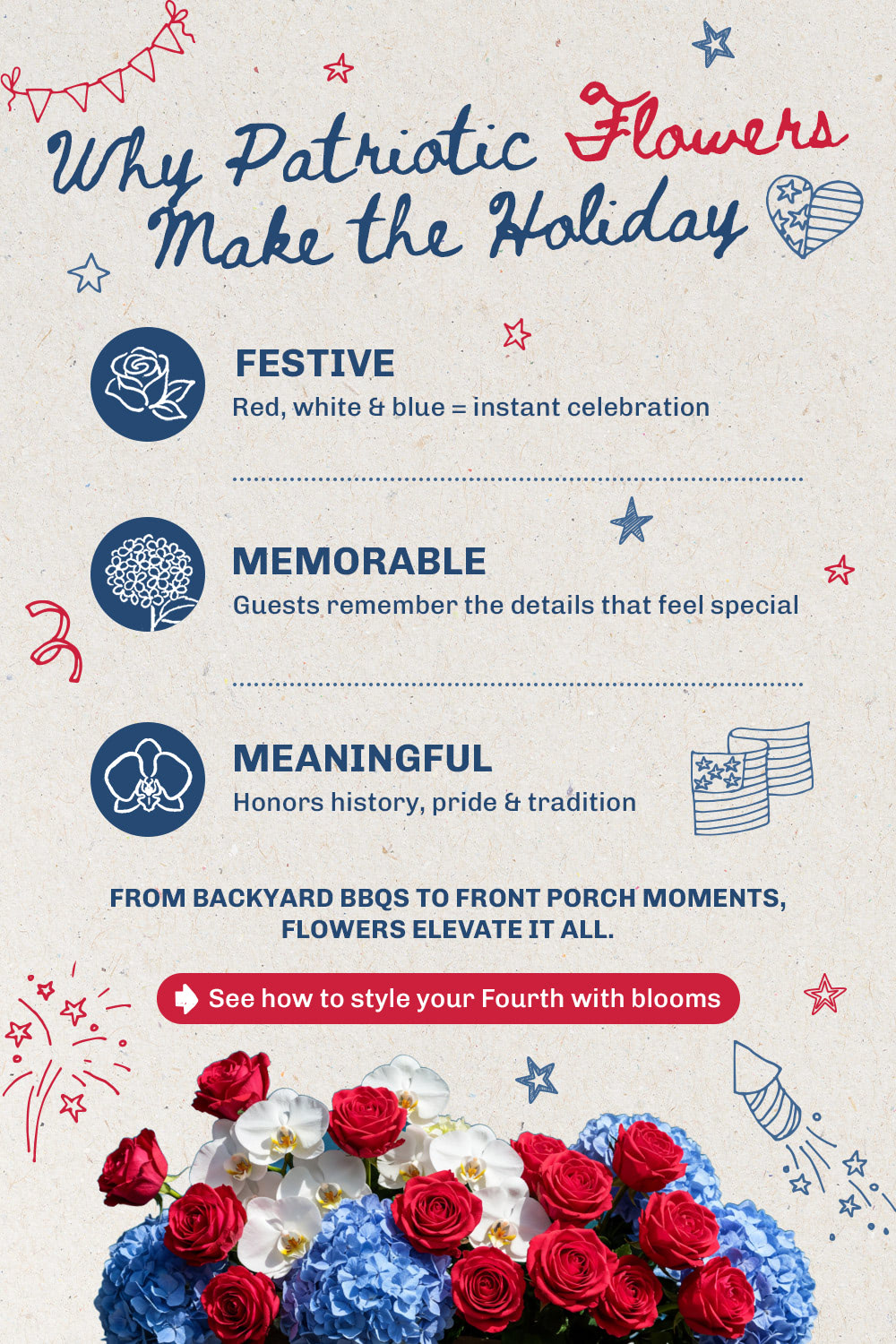
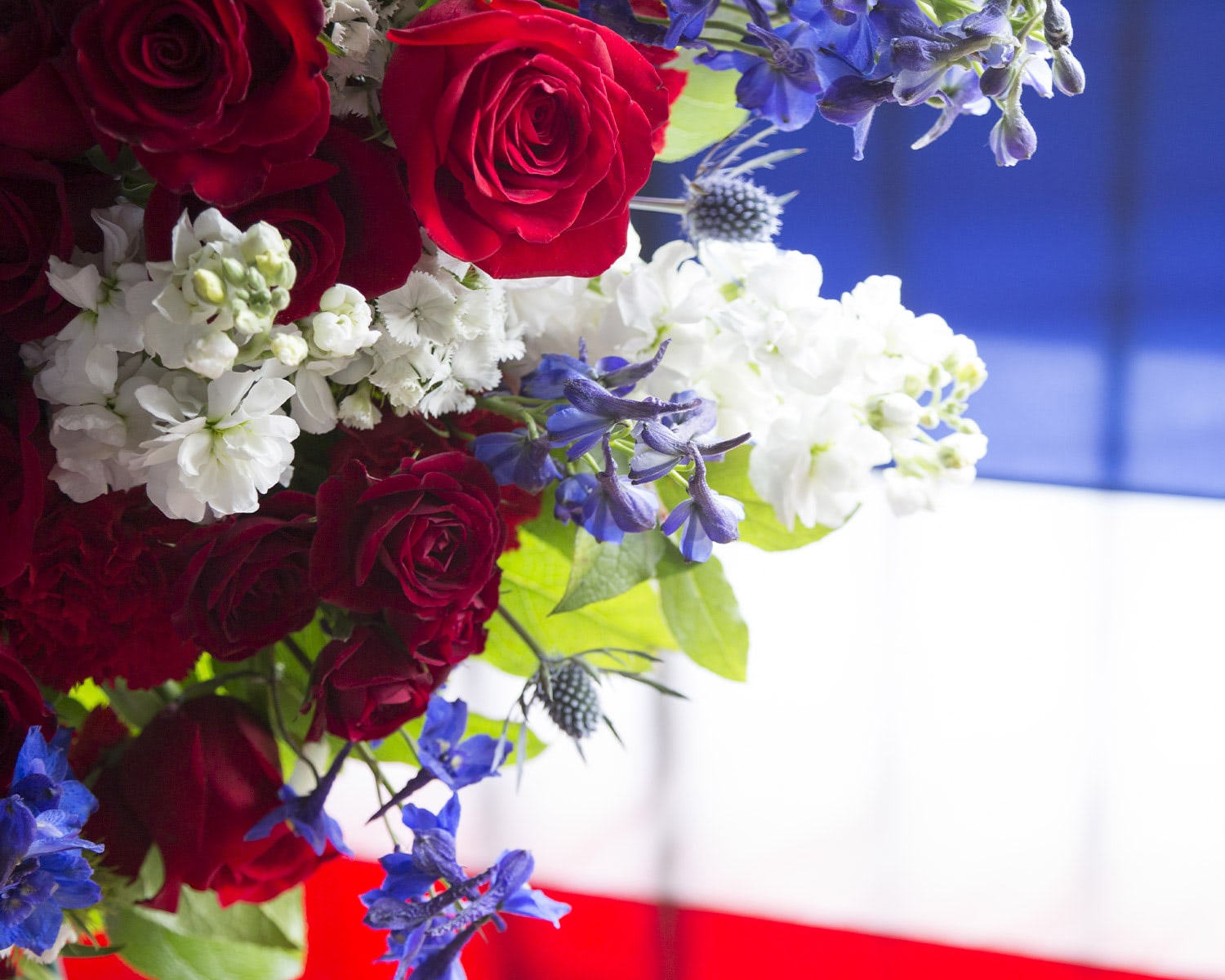
First, they make the holiday more festive. The color story alone is enough to create impact. Red blooms bring energy and warmth. White flowers add freshness and contrast. Blue flowers, though less common in nature, offer that distinctive patriotic finish everyone loves.
Second, flowers help make the day memorable. Guests may not remember every paper plate or party napkin, but they do remember how a gathering felt. A beautiful floral centerpiece can become part of that spirit. It catches the eye, sparks compliments, and shows care. It tells guests the host wanted the day to be special.
Third, flowers add poignancy. The Fourth of July is joyful, but it's also reflective. It's a day that asks people to consider the ideals of liberty, citizenship, and sacrifice. Flowers naturally convey emotion, so they're well suited to the deeper side of the holiday. A bouquet placed beside a framed photograph of a veteran, an arrangement sent to a military family, or a wreath displayed at a community event can communicate remembrance and respect in a graceful way.
The Fourth of July is a holiday filled with history, tradition, and the kind of summer joy people look forward to all year. It brings together fireworks and family stories, cookouts and reflection, celebration and gratitude. Patriotic flowers make the holiday richer and more beautiful. Just as importantly, they bring meaning to the celebration, reminding us that beauty and remembrance can share the same table. Full of color, pride, and tradition, these blooms let the spirit of the Fourth of July linger long after the last sparkler burns out.